Let’s start by stating this. The genius of a generation should not be measured by its individuals, but by their potential.
I was born a Millennial… nothing I can do about that because “I was born this way.” Researching the characteristics that define my era, I have to say, I don’t entirely identify with our description: Generation Ys are tough to manage, entitled, narcissistic, self-interested, unfocused, lazy, and with poor self-esteem. Oof! According to Simon Sinek in the viral video below, these attitudes and qualities can be attributed to a fantastic combination of failed parenting strategies, impatience, the environment we are surrounded by, and the technology we grew up with, such as Facebook and Instagram, with their filters that magnify our amazing lives and conceal our dirty laundry.
Here is the video if you’d like to take a look:
The whole time I was watching the video, I thought he was describing Generation Z. I personally didn’t identify with the portrait of millennials depicted in the video.
I guess I should be thankful for the great parents I have, their rules and standards, and the environment I grew up in. Sometimes, my siblings and I complain about their high expectations. Expectations which we’ve internalized and now demand of ourselves, sometimes to a fault, especially when it comes to our responsibilities, professionalism, and work ethic.
I started working at the tender age of 7 and haven’t stopped since. You can see why it’s hard for me to associate with any of the qualities or dispositions Mr. Sinek mentioned. I didn’t have the opportunity to use a computer (black and white, running Windows 95) at home until I was around 11 years old, and let me tell you something, listening to this sound required a lot of patience, especially if you were trying to connect using a prepaid calling card (how times have changed!). So no Instagram or filters, no watching a whole season of your favorite TV show for instant gratification, no Tinder to swipe left or right. We eventually had all of this, yes, but a large group of Gen Ys like myself didn’t grow up with those platforms and comforts. Most Gen Y teachers I know are passionate, hard-working, and dedicated educators, so there is little in us that I can recognize as self-interested.
According to David and Jonah Stillman (parent and son), interviewed in the podcast below, Generation Z is characterized as the most competitive of generations, and they identify this as one of the key differences between Millennials and Gen Z. Another difference they point out is that millennials overshare on social media and don’t care much about privacy. I guess this is as true for my generation as it is for Gen Z. They just happen to have apps such as Snapchat that allow them to share media that vanishes after a certain amount of time. Even though they claim to be much more private and careful with what they share, take a quick look at your students’ TikTok accounts and you will quickly realize just how “concerned” they are with privacy. In the podcast, they talk about how independent this generation is, which can be very positive when it comes to being entrepreneurial. However, this independence may be more on the creative or risky side of independence than independence with academics. They also mentioned how they want their hobbies to become their actual jobs, and that is true. A lot of them want to be gamers or YouTubers.
Here is the podcast if you’d like to listen to it.
Nowadays it’s just as common to see a kid holding a smartphone as it was to see a kid playing with their Tamagotchi in the ‘90s. Not only do they possess these devices, but they also know how to use them. They master them and are fluent in multiple digital literacies.
I wanted to understand specifically how Generation Z connects and communicates with friends, so I surveyed a few groups of students from grades 8, 9, and 11. Below you can find a summary of one of the groups’ responses (the rest of the results are in this Google Doc: Generation Z Survey Results).
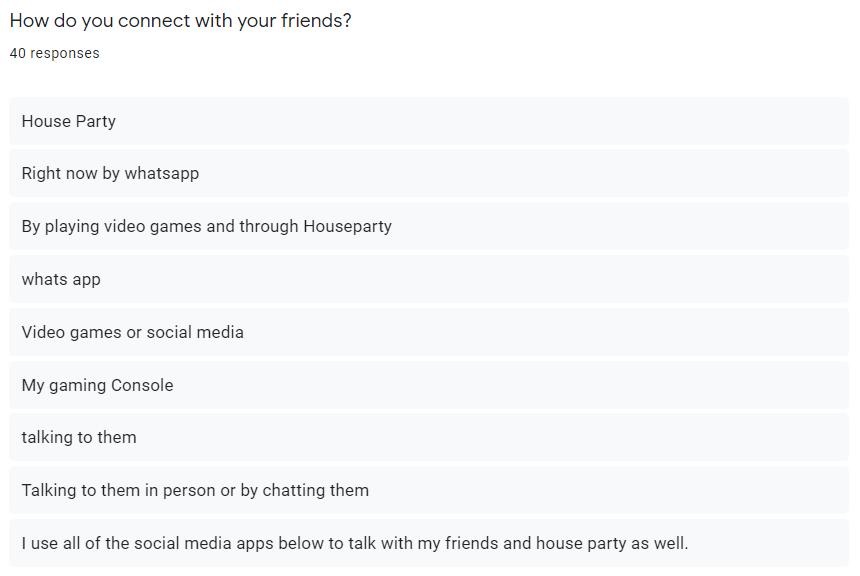
Summarizing (all groups): WhatsApp, Instagram, videogames, FaceTime, video calls, regular calls, HouseParty, Snapchat, texting, Google Meet, Roblox, TikTok, Discord, PlayStation, Reddit, Zoom, Facebook, Skype.
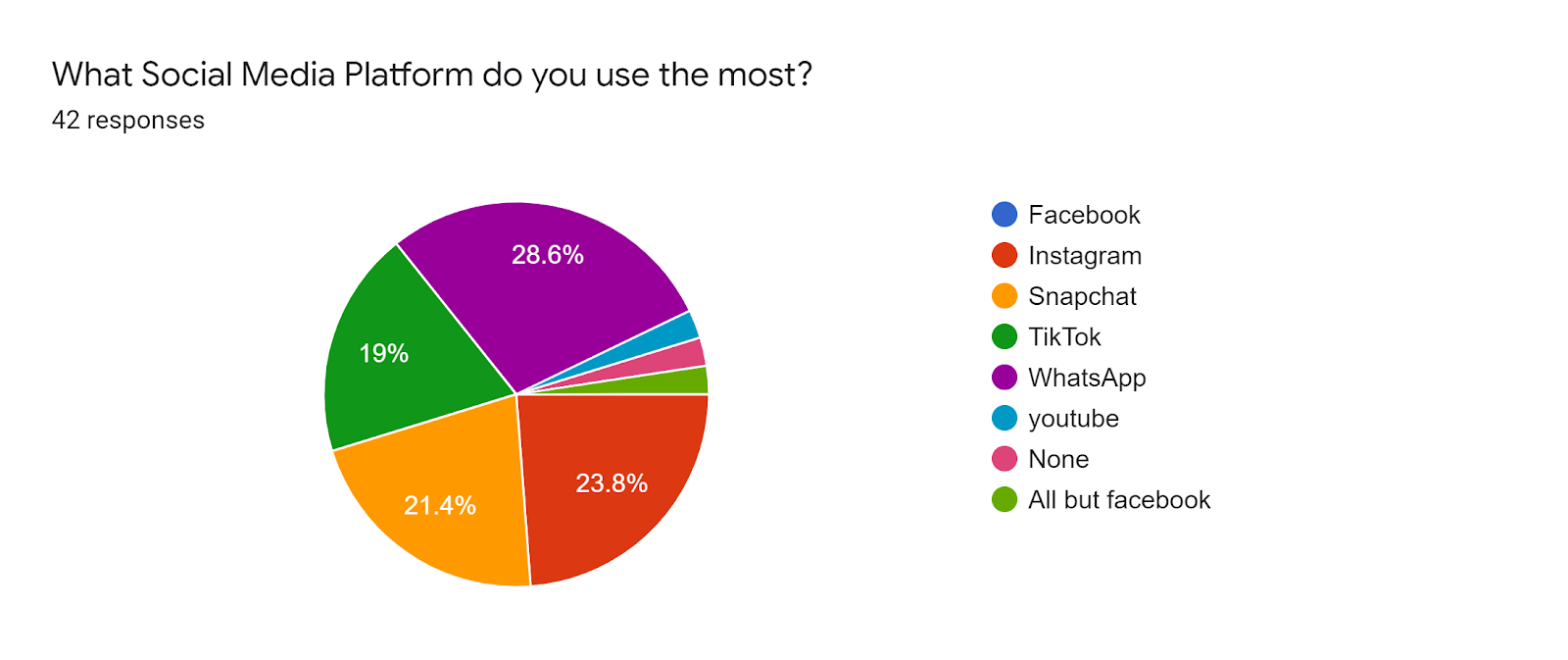
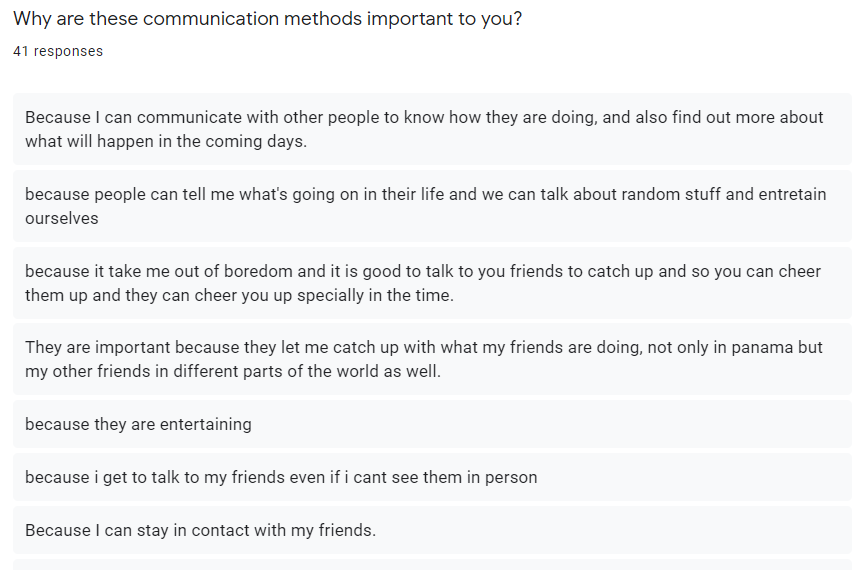
Summarizing (all groups):
- Talking, sending videos, pictures, memes, and texts to friends, family, teachers and other people locally and all over the world
- Staying in touch with friends and making new friends
- Socializing with their community
- Entertainment
- Hobbies and games
- Not being sad, avoiding isolation during the quarantine
- It is easy and fast
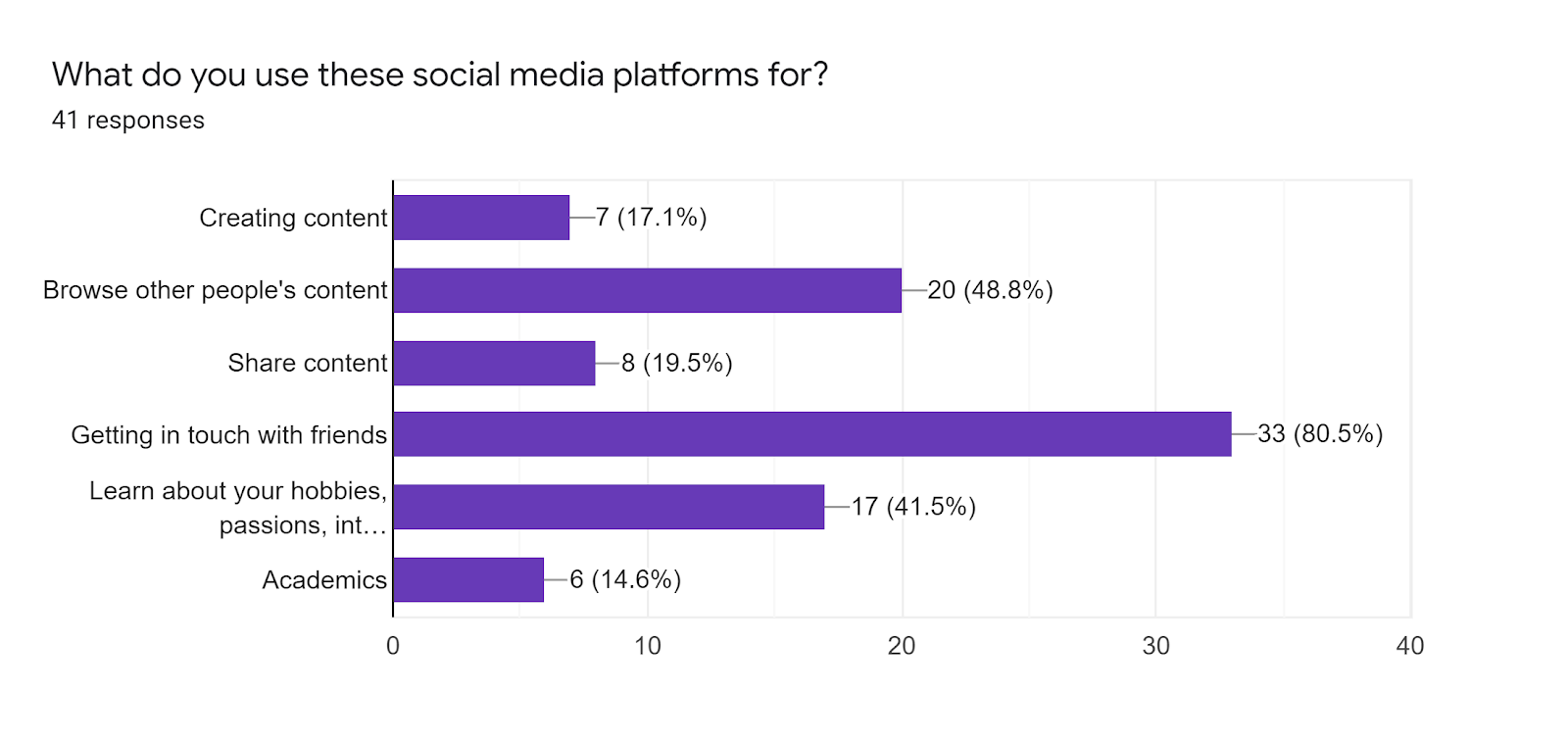
There is a clear trend when comparing all the grade levels, but the one that strikes me the most is that only a small fraction of the sample uses these platforms to create content (more on the lurker side) or for academics. This is the bridge we need to help them build.
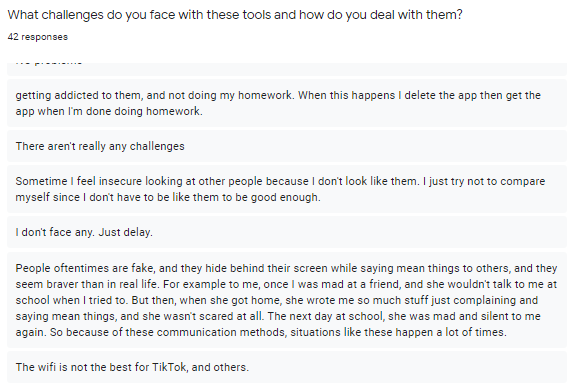
Challenges, and the coping mechanisms or actions students use:
- No challenges
- Stranger requests: block them right away
- Addiction: picking up a book, hanging out with family, designated hours of phone deprivation, deleting the app and downloading it again when finished with homework
- Toxicity: ignore toxic people
- Inauthenticity, competition, popularity: indifference
- Cyberbullying: confrontation
- Connectivity issues
- Hardware problems (storage)
- Insecurity: celebrate their difference
- Anxiety
I honestly wasn’t aware of the perceptions the world has of my generation. When I saw Simon’s video, I was surprised (and admittedly offended) by the way he described this group of people to which I belong. Now I realize how important it is to understand the generation we are teaching: Generation Z. We need to be able to support them in their learning journeys in a way that is relevant to their attitudes, dispositions, and passions, with a system that feels authentic and meaningful to them. Ultimately, we need to be held accountable and responsible for the world each generation builds for the next. If we do so, maybe in a few years, they won’t be flabbergasted by the way the world sees them.
First published on my COETAIL blog on 5 May 2020, lightly edited for this site. Some of its images are not included here. Read the archived original.